

A Tanzania safari represents the quintessential African adventure, offering travelers access to some of the world’s most spectacular wildlife concentrations, diverse ecosystems, and unforgettable natural phenomena. From the endless plains of the Serengeti witnessing the Great Migration to the wildlife-packed Ngorongoro Crater, from the elephant herds of Tarangire to the remote wilderness of southern Tanzania, this East African nation delivers safari experiences that exceed even the most vivid imaginations.
Tanzania’s extraordinary commitment to conservation—protecting approximately 40% of its landmass in national parks, game reserves, and conservation areas—ensures pristine wilderness supporting thriving populations of lions, elephants, leopards, buffalo, rhinos, and countless other species. Whether you’re embarking on your first African safari or returning as a seasoned explorer, Tanzania’s combination of exceptional wildlife, varied landscapes, rich cultures, and well-developed tourism infrastructure creates ideal conditions for transformative journeys into Africa’s wild heart.
Why Choose Tanzania for Your Safari
Tanzania stands unrivaled as Africa’s ultimate safari destination for compelling reasons that distinguish it from competing countries. The sheer scale and diversity of protected areas surpass virtually all other African nations. The iconic Serengeti alone encompasses 14,750 square kilometers of pristine savannah, while the greater Serengeti ecosystem extends across 30,000 square kilometers supporting the world’s largest terrestrial mammal migration.
Wildlife abundance and diversity in Tanzania remain exceptional. The country hosts over 430 mammal species and 1,100+ bird species across remarkably varied habitats. From the Big Five to endangered wild dogs, from massive elephant herds to elusive leopards, Tanzania’s healthy wildlife populations ensure extraordinary sightings. Ngorongoro Crater concentrates approximately 25,000 large mammals within its enclosed caldera—wildlife density unmatched globally.
The variety of safari experiences available in Tanzania accommodates every preference and budget. Classic game drives through world-famous parks, walking safaris in remote wilderness areas, boat safaris along rivers teeming with hippos and crocodiles, cultural encounters with Maasai and other indigenous communities, balloon safaris floating over endless plains, and beach extensions on Zanzibar’s pristine coastlines create comprehensive African adventures beyond simple wildlife viewing.
Tanzania’s safari industry balances development with authenticity. Unlike some destinations where excessive tourism degrades wilderness character, Tanzania maintains relatively low tourist densities in most parks. Southern circuit destinations like Selous and Ruaha offer genuinely remote experiences with minimal human presence. Even in popular northern parks, Tanzania’s vast landscapes prevent the crowding that plagues some competing destinations.
Premier Tanzania Safari Destinations
 Serengeti National Park
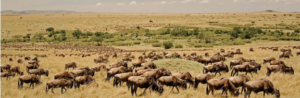
The Serengeti requires little introduction among safari enthusiasts. This legendary park protects one of Earth’s most intact large mammal ecosystems. The annual wildebeest migration—over 1.5 million wildebeest accompanied by hundreds of thousands of zebras and gazelles—creates nature’s most spectacular wildlife phenomenon. Beyond migration periods, exceptional resident populations of predators, elephants, giraffes, and diverse plains game ensure outstanding year-round viewing.
The Serengeti’s varied habitats—from short-grass plains to acacia woodlands, rocky kopjes to riverine forests—support different wildlife communities. Each region offers distinct experiences: the southern plains for calving season drama, the western corridor for Grumeti River crossings, the northern Serengeti for wilderness solitude, and the central Seronera area for reliable year-round predator viewing.
Ngorongoro Conservation Area
The Ngorongoro Crater represents Tanzania’s most unique safari destination. This massive volcanic caldera, formed by collapse millions of years ago, creates a natural amphitheater where extraordinary wildlife density concentrates year-round. The 600-meter walls encircle permanent water sources supporting approximately 25,000 large mammals including Africa’s densest lion populations and one of the continent’s best locations for observing endangered black rhinos.
The crater’s compact nature allows experiencing the Big Five within single game drives—an achievement requiring days elsewhere. Beyond the crater floor, the Ngorongoro highlands protect montane forests, the archaeological treasure of Olduvai Gorge (humanity’s birthplace), and traditional Maasai pastoralist communities maintaining centuries-old lifestyles.
Tarangire National Park
Often underestimated relative to more famous neighbors, Tarangire delivers exceptional safari experiences particularly during dry season (June-October). The park hosts Tanzania’s largest elephant populations—herds numbering hundreds congregate around the Tarangire River. Ancient baobab trees, some over 1,000 years old, create iconic African scenery perfect for photography.
Tarangire’s diversity extends beyond elephants. Healthy predator populations, tree-climbing lions (behavior rarely observed elsewhere), and over 550 bird species make this park outstanding for comprehensive wildlife viewing. Lower tourist numbers compared to Serengeti and Ngorongoro ensure quality experiences without excessive crowding.
Lake Manyara National Park
This compact park nestled between the Great Rift Valley escarpment and Lake Manyara’s shores packs remarkable diversity into limited space. The groundwater forest hosts tree-climbing lions displaying unusual behavior. Lake shores attract flamingos (numbers fluctuate seasonally), pelicans, and numerous waterbirds. Despite small size, varied habitats support elephants, buffalos, giraffes, hippos, and over 400 bird species.
Lake Manyara’s accessibility makes it ideal for day trips or as part of northern circuit itineraries. The dramatic escarpment backdrop creates stunning photographic conditions, while the diversity compensates for the park’s modest dimensions.
Selous Game Reserve (Nyerere National Park)
Southern Tanzania’s Selous Game Reserve, with its northern section recently renamed Nyerere National Park, represents Africa’s largest protected wildlife area—larger than Switzerland. The reserve’s immense size and remoteness create authentic wilderness experiences unavailable in busier northern parks. The Rufiji River system creates aquatic habitats supporting massive hippo and crocodile populations.
Selous offers activities unavailable elsewhere: boat safaris providing unique wildlife viewing perspectives, walking safaris for intimate ground-level encounters, and fly camping in remote wilderness. While wildlife densities remain lower than northern parks, all Big Five occur here plus endangered African wild dogs. The exclusivity and genuine wilderness appeal to travelers seeking authentic bush experiences.
Ruaha National Park
Tanzania’s largest national park protects spectacular wilderness in the southern highlands. Ruaha’s remoteness ensures minimal tourist presence despite outstanding wildlife. The park hosts Tanzania’s largest elephant population and exceptional lion densities. The Great Ruaha River serves as a wildlife magnet during dry season.
Ruaha’s miombo woodland and baobab-studded landscapes provide scenery distinct from northern grasslands. Leopards, cheetahs, wild dogs, and over 570 bird species ensure comprehensive safari experiences for adventurous travelers willing to journey to this remote destination.
Planning Your Tanzania Safari
 Determining Optimal Duration
Minimum safari durations of 5-7 days allow visiting 2-3 northern circuit parks with adequate time for quality wildlife viewing. Popular itineraries combine Serengeti, Ngorongoro Crater, and either Tarangire or Lake Manyara, providing comprehensive northern Tanzania experiences.
Ideal safaris span 10-14 days, permitting thorough exploration of northern parks or combining northern and southern circuits. Extended itineraries allow witnessing varied ecosystems, experiencing different safari activities from game drives to walking safaris, and adopting relaxed paces appreciating wildlife behaviors rather than rushing between destinations.
Shorter 3-4 day safaris suit travelers with limited time but sacrifice diversity and depth. Longer expeditions exceeding two weeks permit exploring remote areas, incorporating cultural experiences, adding Zanzibar beach extensions, and truly immersing in Tanzania’s natural and cultural wealth.
Best Time for Tanzania Safari
Tanzania offers excellent safari opportunities year-round with seasonal variations affecting wildlife viewing, accessibility, and costs. Understanding these patterns helps optimize timing.
Dry Season (June-October) provides optimal conditions in most parks. Animals concentrate around permanent water sources, vegetation thins improving visibility, and roads remain easily passable. July through October sees the Great Migration in the northern Serengeti and Kenya’s Masai Mara. This peak season brings maximum tourist numbers and highest prices but delivers consistently excellent game viewing.
Wet Season (November-May) offers distinct advantages despite perceptions otherwise. Dramatically lower prices (30-50% reductions), significantly fewer tourists, lush green landscapes perfect for photography, newborn animals attracting predators, and excellent bird watching as Palearctic migrants arrive make wet season appealing. The southern Serengeti’s calving season (January-February) provides spectacular wildlife drama. However, heavy rains (April-May) make some areas temporarily inaccessible.
Shoulder Seasons (November and March-April) balance advantages of both wet and dry periods—moderate prices, manageable crowds, and good wildlife viewing with occasional rains.
Safari Styles and Budgeting
Tanzania safari accommodate diverse budgets and travel preferences through varied styles.
Budget Camping Safaris ($200-300 daily per person) use public campsites, larger groups (6-8 participants), and basic amenities. Despite modest accommodations, budget safaris employ experienced guides and visit the same parks as luxury options, making Tanzania accessible to cost-conscious travelers.
Mid-Range Lodge Safaris ($350-600 daily) balance comfort and value using quality lodges and tented camps with good amenities, comfortable rooms, en-suite facilities, and meals. Group sizes remain moderate (4-6 participants), ensuring reasonable attention while sharing costs.
Luxury Safari Experiences ($800-1,500+ daily) feature high-end lodges and exclusive tented camps offering spacious accommodations, gourmet dining, swimming pools, and premium service. Private guides, exclusive vehicles, and strategic locations near prime wildlife areas justify premium pricing.
Ultra-Luxury and Private Safaris ($2,000+ daily) provide ultimate exclusivity through private conservancies, helicopter transfers, personal chefs, and completely customized itineraries with dedicated guides and vehicles.
These rates typically include accommodation, meals, park fees, game drives, and guide services but exclude international flights ($1,000-2,000+ from Europe/US), tips ($20-30 daily for guides), visas ($50-100), and personal expenses.
Safari Activities Beyond Game Drives
Tanzania’s diversity extends beyond traditional vehicle-based game viewing.
Walking Safaris provide intimate bush experiences impossible from vehicles. Accompanied by armed rangers, participants track wildlife on foot, learning about smaller creatures, plants, and animal signs usually overlooked. Walking safaris operate primarily in Selous, Ruaha, and certain northern circuit conservancies. The heightened awareness and mild adrenaline create profound wilderness connections.
Boat Safaris along the Rufiji River in Selous offer unique perspectives on aquatic wildlife. Hippos, crocodiles, and waterbirds appear at close range while elephants, buffalos, and various species visit riverbanks to drink. The quiet approach allows closer encounters without disturbance.
Balloon Safaris over the Serengeti provide unforgettable aerial perspectives. Floating silently above plains at sunrise, passengers witness wildlife from bird’s-eye viewpoints while experiencing the ecosystem’s vast scale. Flights conclude with champagne breakfasts in the bush.
Cultural Experiences with Maasai communities, Hadzabe hunter-gatherers, or other indigenous groups add cultural dimensions to wildlife safaris. Visits to traditional villages, participating in daily activities, and learning about traditional ecological knowledge enrich understanding of human-wildlife coexistence.
Night Game Drives in areas outside national parks reveal nocturnal species invisible during daylight. Using spotlights, guides locate hunting predators, grazing herbivores, and fascinating smaller animals including genets, civets, and bush babies.
Cultural Encounters and Zanzibar Extensions
Maasai Culture
Many Tanzania safaris incorporate cultural encounters with Maasai communities maintaining semi-nomadic pastoralist lifestyles. Dressed in distinctive red shukas, Maasai warriors demonstrate traditional dances, explain their relationship with wildlife, and share knowledge about living alongside predators. Responsible cultural tourism ensures communities benefit economically while sharing their heritage.
Zanzibar and Coastal Areas
Most Tanzania safaris combine mainland wildlife viewing with Zanzibar beach extensions. This spice island offers pristine white-sand beaches, turquoise waters, coral reefs perfect for snorkeling and diving, and historic Stone Town with its Swahili-Arab architecture. The combination of bush adventure and beach relaxation creates perfectly balanced Tanzania experiences.
Coastal alternatives include Pemba Island (quieter than Zanzibar with excellent diving), Mafia Island (whale shark encounters), and mainland beaches near Dar es Salaam.
Practical Safari Considerations
Entry Requirements and Health
Tanzania requires visas for most visitors, easily obtained online as e-visas ($50-100 depending on nationality). Passports must remain valid six months beyond travel dates.
Health preparations include yellow fever vaccination (required if arriving from endemic countries), malaria prophylaxis for most safari areas (consult travel medicine specialists 4-6 weeks before departure), and routine immunizations. Comprehensive travel insurance covering medical evacuation proves essential for remote area travel.
What to Pack
Essential items include neutral-colored lightweight clothing (khaki, olive, tan), layers for temperature variations, comfortable walking shoes, wide-brimmed hat, sunglasses, SPF 50+ sunscreen, insect repellent with DEET, quality binoculars (8×42 or 10×42), camera equipment with telephoto lenses, extra batteries and memory cards, headlamp, reusable water bottle, and personal medications.
Avoid camouflage patterns (restricted in Tanzania) and excessive luggage—most lodges provide laundry services. Soft-sided bags work better than hard suitcases for small aircraft if using fly-in options.
Responsible Safari Tourism
Support conservation through choosing certified eco-tourism operators, respecting wildlife viewing guidelines maintaining appropriate distances, following park regulations including staying on designated roads, minimizing plastic waste and environmental impacts, supporting community-based tourism initiatives, and contributing to conservation organizations working in Tanzania.
Conclusion
A Tanzania safari delivers transformative experiences showcasing Africa’s natural heritage at its most spectacular. From the Serengeti’s endless horizons to Ngorongoro’s concentrated wildlife, from remote southern wilderness to vibrant cultural encounters, Tanzania offers safari adventures exceeding imagination.
The country’s exceptional biodiversity, varied ecosystems, commitment to conservation, and range of experiences from budget camping to ultra-luxury lodges ensure Tanzania accommodates every safari dream. Whether witnessing the Great Migration, tracking lions through golden grasslands, observing elephant families at watering holes, or experiencing the thrill of walking through wild spaces, Tanzania provides stages for unforgettable wildlife theater.
Beyond personal fulfillment, Tanzania safaris contribute meaningfully to conservation protecting irreplaceable ecosystems and species. Tourism revenue justifies habitat preservation, employs communities creating stakeholders in wildlife protection, and demonstrates conservation’s economic value. Your safari participation directly supports these critical outcomes.
As you plan your Tanzania safari, approach it as more than vacation—embrace it as immersion in Earth’s greatest natural wonders, opportunities for profound connections with wilderness, and contributions ensuring these magnificent creatures and wild places survive for future generations. Tanzania awaits, ready to transform your understanding of nature’s power, beauty, and fragility.
Key Takeaways
- Tanzania protects approximately 40% of its landmass in conservation areas, supporting the world’s largest terrestrial mammal migration and thriving Big Five populations across diverse ecosystems
- Premier destinations include Serengeti (migration and predators), Ngorongoro Crater (25,000 mammals in enclosed caldera), Tarangire (elephant herds), Lake Manyara (tree-climbing lions), Selous (boat safaris), and Ruaha (remote wilderness)
- Safari costs range from $200-300 daily for budget camping to $350-600 for mid-range lodges and $800-1,500+ for luxury experiences, typically including accommodation, meals, park fees, and guides
- Optimal duration spans 5-7 days minimum for northern circuit highlights, with 10-14 days ideal for comprehensive experiences combining multiple parks, varied activities, and cultural encounters
- Dry season (June-October) offers concentrated wildlife and easier travel but brings peak prices and crowds, while wet season provides lower costs, fewer tourists, lush landscapes, and calving season drama (January-February)
- Activities extend beyond game drives to include walking safaris (Selous, Ruaha), boat safaris (Selous), balloon safaris (Serengeti), cultural visits (Maasai communities), and night drives in select areas
- Most safaris combine mainland wildlife viewing with Zanzibar beach extensions, creating balanced experiences of bush adventure and coastal relaxation with Swahili cultural encounters
- Conservation challenges include habitat fragmentation, human-wildlife conflict, and climate change—responsible tourism through certified operators and ethical practices directly supports protection efforts
Frequently Asked Questions
How much does a Tanzania safari cost?
Tanzania safari costs vary significantly based on accommodation standards, season, and group size. Budget camping safaris start at $200-300 per person daily using basic campsites and larger groups. Mid-range safaris cost $350-600 daily with comfortable lodges and good amenities. Luxury safaris run $800-1,500+ daily featuring high-end camps and exclusive experiences. Ultra-luxury private safaris exceed $2,000+ daily. These rates typically include accommodation, meals, park fees (Serengeti $70+ daily, Ngorongoro $70+ daily), game drives, and guides but exclude international flights ($1,000-2,000+ from Europe/US), tips ($20-30 daily for guides, $10 for camp staff), visas ($50-100), and personal expenses. A typical 7-day mid-range northern circuit safari costs $2,500-4,200 per person excluding flights.
What is the best time to visit Tanzania for safari?
Tanzania offers excellent safaris year-round with seasonal advantages. June-October dry season provides optimal conditions with concentrated wildlife, easier travel, and Great Migration in northern Serengeti (July-October), though bringing peak prices and crowds. January-February features spectacular calving season in southern Serengeti with newborn wildebeest attracting predators. March-May wet season brings dramatically lower prices (30-50% off), fewer tourists, lush green landscapes, and good wildlife viewing despite occasional heavy rains making some areas temporarily inaccessible. November offers excellent value as short rains begin. Choose based on priorities: migration timing, weather preferences, budget constraints, or crowd avoidance. There’s no universally “best” time—each season offers unique advantages.
Is Tanzania or Kenya better for safari?
Both countries offer exceptional safaris with different strengths. Tanzania excels for the Great Migration’s most dramatic phases (calving season January-February, Grumeti crossings May-July), Ngorongoro Crater’s unique ecosystem, larger parks with lower tourist densities, and remote southern wilderness (Selous, Ruaha). Kenya provides easier accessibility with shorter distances between parks, better infrastructure, more tour operator choices, and excellent year-round wildlife in the Maasai Mara. Tanzania generally feels more pristine and less crowded, while Kenya offers logistical convenience. Serious safari enthusiasts often visit both countries. Choose Tanzania for migration diversity, wilderness immersion, and Ngorongoro; Kenya for accessibility and consistent viewing.
Do I need vaccinations for Tanzania safari?
Yes, health preparations are essential. Yellow fever vaccination is required if arriving from endemic countries (most of Africa, South America) and recommended for all visitors. Routine vaccinations (tetanus, hepatitis A/B, typhoid) should be current. Malaria prophylaxis is essential for most safari areas—consult travel medicine specialists 4-6 weeks before departure about appropriate medications (typically Malarone, Doxycycline, or Mefloquine). Combination of prophylaxis with mosquito avoidance (repellent, long sleeves at dawn/dusk, bed nets) provides best protection. Comprehensive travel insurance covering medical evacuation is essential for remote area travel. Higher altitude destinations like Ngorongoro highlands pose lower malaria risk but protection remains recommended. Seek immediate medical attention if fever develops during or after travel.
Can families with children go on Tanzania safari?
Absolutely. Tanzania welcomes families, with many operators specializing in family-friendly safaris. Most lodges accommodate children, offering family rooms and age-appropriate activities. Some luxury camps maintain minimum age requirements (typically 6-12 years) due to open-sided designs near wildlife. Private vehicles allow flexible schedules accommodating children’s needs including rest times and shorter game drives. Ngorongoro Crater’s compact area and high wildlife density suits families—shorter drives with reliable sightings maintain children’s interest. Educational programs at lodges engage children with conservation. Tanzania safaris create extraordinary family bonding and instill conservation values. Inform operators about children’s ages during booking to ensure appropriate accommodation and activity selection.
What wildlife can I expect to see on Tanzania safari?
Tanzania safaris typically yield excellent sightings of diverse species. The Big Five (lion, leopard, elephant, buffalo, rhino) can all be seen, with Ngorongoro offering best rhino opportunities. Expect abundant plains game including zebras, wildebeest, various antelope species (impala, gazelles, topi, eland, hartebeest, waterbuck), giraffes, hippos, warthogs, and baboons. Predators beyond lions and leopards include cheetahs, spotted hyenas, jackals, and occasionally African wild dogs (primarily Selous and Ruaha). Over 1,100 bird species inhabit Tanzania. Specific species depend on parks visited and season. Wildlife viewing involves wild animals following natural patterns—sightings can’t be guaranteed, though Tanzania’s healthy populations ensure excellent overall experiences.
Should I book a group or private Tanzania safari?
The decision depends on budget, flexibility needs, and social preferences. Group safaris (4-8 participants) offer lower per-person costs through shared expenses, social interaction with fellow travelers, and pre-arranged logistics. However, fixed schedules limit flexibility, itineraries accommodate group consensus, and vehicle sharing may compromise photography. Private safaris provide complete control over timing and destinations, exclusive guide attention, vehicles configured to preferences, and flexibility adapting to interests. Costs run 50-100% higher but deliver personalized experiences. Families, couples, photographers, or those with specific goals prefer private options despite premium prices. Solo travelers or budget-conscious visitors benefit from group safari economics while meeting like-minded travelers.
How far in advance should I book a Tanzania safari?
Book peak season safaris (June-October dry season, January-February calving season) at least 6-12 months advance to secure preferred accommodations, particularly popular lodges and mobile camps with limited capacity. Holiday periods (Christmas/New Year, Easter) demand even earlier booking (12-18 months). Shoulder season and wet season safaris allow 3-6 months booking windows with better availability. Last-minute bookings sometimes work during low season but risk limited choices and potentially higher prices. Private custom safaris require more advance planning for itinerary coordination. Serengeti balloon safaris and other special activities should be booked simultaneously with accommodations as they fill quickly.
Can I combine Tanzania safari with beach relaxation?
Yes, most Tanzania safaris combine mainland wildlife viewing with beach extensions. Zanzibar, the most popular choice, offers pristine beaches, coral reefs, Stone Town’s historic architecture, and excellent seafood. The combination of bush adventure and beach relaxation creates perfectly balanced experiences. Alternatives include Pemba Island (quieter with superior diving), Mafia Island (whale sharks November-February), or mainland beaches near Dar es Salaam. Typically, safaris conclude in Arusha or the Serengeti, requiring flights to coastal destinations (1-2 hours). Most operators arrange seamless transfers. Recommended beach extensions span 3-5 days allowing adequate recovery from early safari mornings while enjoying water activities, cultural tours, and relaxation.
What makes Tanzania safari unique compared to other African destinations?
Tanzania’s uniqueness stems from multiple factors: hosting the world’s largest terrestrial mammal migration across vast intact ecosystems; Ngorongoro Crater’s unparalleled wildlife density in dramatic volcanic setting; exceptional diversity from northern grasslands to southern miombo woodlands and coastal forests; activities beyond game drives including boat safaris, walking safaris, and cultural encounters; the combination of world-class wildlife with Zanzibar’s pristine beaches and Swahili culture; strong conservation commitment protecting 40% of landmass; and authentic wilderness with lower tourist densities than some competing destinations. The southern circuit (Selous, Ruaha) offers genuinely remote experiences rare in modern Africa. This combination of spectacular wildlife, ecosystem diversity, varied activities, and wilderness authenticity makes Tanzania safari experiences comprehensive and transformative.
