

Imagine standing at the edge of an ancient plain as a thundering column of over 1.5 million wildebeest floods the horizon, joined by hundreds of thousands of zebras and gazelles in a relentless, primeval march across one of Africa’s most iconic landscapes. This is the Great Migration — and the Serengeti is its spectacular stage. Serengeti migration safari tours offer travelers a front-row seat to one of the most breathtaking natural events on the planet, an experience that transcends wildlife watching and touches something profoundly human: the awe of witnessing nature operating entirely on its own terms.
Whether you are a seasoned safari traveler or planning your first adventure to East Africa, understanding the rhythms of the Serengeti migration will help you craft a journey that is not only memorable but truly transformative. This guide covers everything you need to know — from the best time to visit and where the action unfolds, to practical planning tips and what to expect from a world-class migration safari.
What Is the Great Migration?
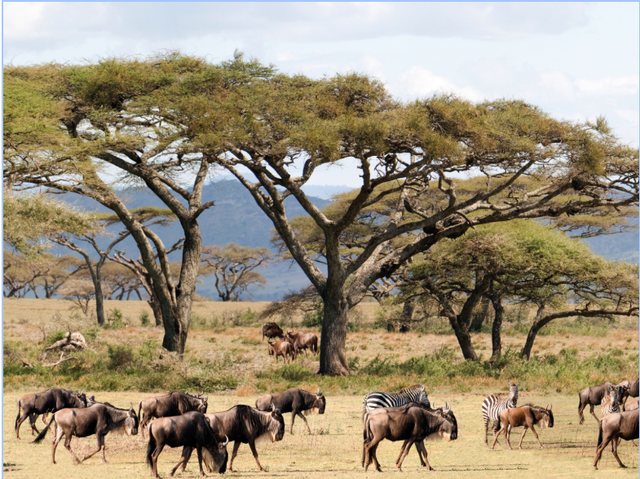
The Great Migration is the largest overland animal movement on Earth. Each year, approximately 1.5 million wildebeest, 400,000 zebras, and 500,000 Thomson’s gazelles undertake a circular, 1,800-mile journey through Tanzania’s Serengeti National Park and Kenya’s Masai Mara ecosystem. Unlike many migrations, this is not a one-directional journey — it is a continuous, year-round cycle driven by a single powerful force: the search for fresh grass and water.
The migration is not a single event but a living calendar of spectacles, including dramatic river crossings, thunderous herd movements, and the annual calving season. Predators — lions, cheetahs, leopards, crocodiles, and hyenas — follow the herds closely, creating intense wildlife interactions that make Serengeti migration safari tours unlike any other travel experience in the world.
The Migration Calendar: Month by Month
Knowing when to go is everything. Each season of the Serengeti offers a different front-row seat to the migration’s most dramatic chapters.
January – March: Calving Season in the Southern Serengeti
The Ndutu and Ngorongoro Conservation Area region transforms into an extraordinary nursery as up to 500,000 wildebeest calves are born within a three-week window. This extraordinary phenomenon — known as synchronised calving — overwhelms predators through sheer numbers, giving most calves a survival advantage. The short green grass plains are dotted with newborns taking their first steps, while lions, cheetahs, and jackals patrol hungrily nearby. This is arguably the most emotionally charged chapter of the entire migration cycle.
April – June: Northward Movement Through the Western Corridor
As the rains arrive, the herds begin their slow push northward through the Central Serengeti and Western Corridor. The iconic Grumeti River crossings begin in May and June, where massive Nile crocodiles have waited all year for this moment. Smaller and less crowded than the Mara crossings, Grumeti crossings offer an incredibly intimate safari experience without the volume of tourists that peak season brings.
July – October: The Mara River Crossings
This is the moment most people picture when they think of the Great Migration. By mid-July, massive columns of wildebeest press northward into the Masai Mara of Kenya, and the crossings of the crocodile-infested Mara River begin in earnest. Chaotic, terrifying, and breathtaking all at once, these crossings can involve tens of thousands of animals surging across the water in a matter of minutes. The northern Serengeti — particularly the Kogatende area — is the ideal base for witnessing this drama, often multiple times per day during peak season.
November – December: The Return South
As the short rains return to the Serengeti’s southern plains, the herds reverse course and begin streaming back toward the Ndutu area, completing the great circle. This quieter phase of the migration is often overlooked by travelers but offers an excellent opportunity to observe large herds with fewer other visitors around.
Choosing Your Serengeti Migration Safari
Mobile Camps vs. Permanent Lodges
One of the most important choices you will make is between mobile tented camps and permanent lodges. Mobile camps relocate several times a year to position themselves directly in the path of the migrating herds, offering unparalleled proximity to the action. Premium operators like Singita Grumeti, &Beyond, and Asilia Africa run mobile camps that blend luxury with true wilderness immersion. Permanent lodges, while more consistent in their amenity offerings, are fixed in location and may require longer drives to reach the herds during certain months.
Private vs. Group Safaris
Private safaris give you complete flexibility in scheduling game drives, tailoring routes, and spending as long as you wish at a sighting. Group safaris, on the other hand, offer a social dimension and a more accessible price point. For the river crossings in particular, having a private guide who can position your vehicle strategically — and wait patiently for a crossing to begin — can make an enormous difference to your experience.
Hot Air Balloon Safaris
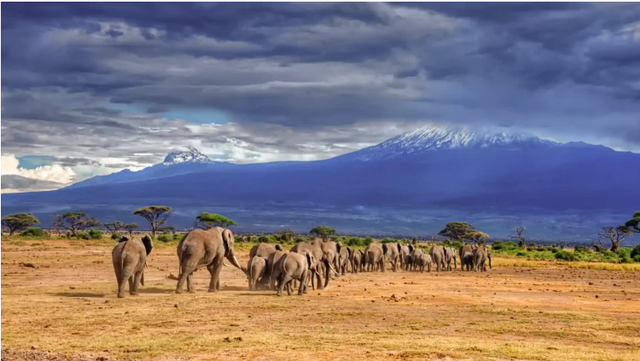
No Serengeti migration safari is truly complete without a dawn balloon flight over the plains. Drifting silently above herds that stretch to the horizon, with Mount Kilimanjaro occasionally visible in the distance and the golden Serengeti light painting everything below, is one of Africa’s most extraordinary travel experiences. Balloon safaris typically conclude with a champagne bush breakfast and are available year-round in the Serengeti.
Beyond the Migration: What Else to Expect
The Serengeti is far more than a single annual event. The park supports one of Africa’s densest concentrations of resident wildlife year-round, including:
- The Big Five — lion, leopard, elephant, buffalo, and rhino (the latter most visible in the nearby Ngorongoro Crater)
- Cheetahs — the Serengeti’s open plains are among the best places on Earth to observe them hunt at full speed
- Wild dogs — rare and increasingly visible in the Lamai Wedge area of the northern Serengeti
- Over 500 bird species — making it one of Africa’s premier birdwatching destinations for enthusiasts of all levels
- Maasai cultural visits — many operators offer authentic community experiences led by local guides, adding rich cultural depth to the safari
Key Takeaways
- The Great Migration is year-round — there is no single “best” time; the ideal visit depends on which chapter of the migration you most want to witness.
- July to October offers the famous Mara River crossings and is the most popular window for migration safaris.
- January to March’s calving season in the southern Serengeti is deeply underrated and emotionally powerful.
- Mobile tented camps that follow the herds deliver the most immersive, up-close migration experience available.
- Private guides and flexible game drive schedules dramatically increase your chances of witnessing a river crossing.
- The northern Serengeti’s Kogatende area is the prime location for July–October river crossing action.
- Book 12 to 18 months in advance for peak season camps, particularly those operating in July–September.
- A hot air balloon ride over the Serengeti plains is one of Africa’s most unforgettable experiences and should be built into any itinerary.
Frequently Asked Questions
What is the best month to see the Great Migration in the Serengeti? There is no single universally “best” month because the migration runs year-round. That said, July through October offers the iconic Mara River crossings in the northern Serengeti and is peak season for a reason. If calving and baby animals appeal to you, January through March in the southern Serengeti is extraordinary and far less crowded.
How long should a Serengeti migration safari be? A minimum of five to seven nights in the Serengeti allows you to properly explore different zones and maximize wildlife sightings. For the river crossings specifically, spending three to four nights in the northern Serengeti gives you multiple opportunities, since timing is entirely unpredictable and patience is essential.
Is a Serengeti safari safe? Tanzania’s national parks are extremely well managed and safari operations follow strict safety protocols. You will be accompanied by experienced, licensed guides at all times during game drives. Standard precautions around malaria prevention — prophylactics, long sleeves at dusk, and mosquito repellent — are important and recommended by most travel health advisors.
What should I pack for a Serengeti migration safari? Pack neutral-coloured, lightweight clothing in khaki, olive, or tan tones. A good pair of binoculars (8×42 or 10×42) is essential. Bring a dust bag for camera gear, sunscreen, a wide-brimmed hat, and a light fleece for early morning game drives. Most camps offer laundry facilities, so there is no need to overpack.
Do I need a visa to visit Tanzania? Most nationalities require a visa to enter Tanzania, which can be obtained as an e-visa before departure or on arrival at major international airports. Applying online in advance is strongly recommended to avoid queues. Always verify current requirements for your specific nationality well ahead of travel.
Can children go on a Serengeti migration safari? Absolutely. Many camps and lodges welcome families and offer tailored experiences with guides skilled at engaging younger travellers. Some exclusive camps enforce a minimum age policy of around eight to twelve years, so it is important to check individual operator guidelines when booking with children.
Conclusion: Why the Serengeti Migration Safari Belongs on Every Traveler’s List
A Serengeti migration safari is not simply a holiday — it is a pilgrimage to one of the last places on Earth where nature operates at a scale that humbles even the most well-travelled visitor. The dust clouds rising from a million hooves, the primal tension of a river crossing, the silence of the Serengeti plains under a star-filled sky: these are experiences that lodge themselves permanently in your memory and reshape how you see the natural world.
The Great Migration has occurred for millennia, long before the first camera clicked or the first safari vehicle rolled across the plains. Being present within it, even briefly, is to step into a story infinitely older and larger than ourselves. Whether you witness a river crossing from the banks of the Mara, watch a cheetah hunt across the golden Serengeti grass, or simply sit in silence as a pink sunrise floods the plains, you will return home fundamentally changed.
Start planning your Serengeti migration safari early, choose your season intentionally, invest in quality guiding, and allow yourself enough time to truly absorb this extraordinary corner of our planet. The Serengeti, as it has always done, will take care of the rest.
