

Tanzania’s wildlife areas are among the most rewarding in the world, but how you experience them matters as much as where you go. On a private safari tour, the day belongs to you. You decide when to leave camp, how long to linger beside a sleeping lion pride, and whether to chase the dawn light or take a slow breakfast on the veranda.
This guide explains how private safari tours in Tanzania work, who they suit best, the main routes and parks, the best time to travel, typical costs, and the practical steps for planning a trip that truly reflects your interests.
What Is a Private Safari Tour in Tanzania?
A private safari tour is a trip arranged exclusively for your group, whether that is a couple, a family, or a few friends. You travel in your own vehicle with your own driver-guide, and the itinerary, accommodation, and daily rhythm are tailored to you. No strangers join your vehicle, and nobody else dictates the schedule.
Private tours differ from group departures in several ways:
- Dedicated vehicle and guide. A custom-built 4×4 with a pop-up roof or open sides and a guide who stays with you throughout.
- Flexible itinerary. Routes, camps, and timing are designed around your wishes rather than a fixed programme.
- Control over pace. You can start early or late, stay longer at sightings, or rest when you need to.
- Privacy. Your group has the vehicle, the conversation, and the views to yourselves.
- Customised experiences. Activities such as walking safaris, cultural visits, and photography sessions can be added where permitted.
Private tours span all budgets, from simple lodges and tented camps to ultra-exclusive properties, so private does not always mean luxury.
Why Choose a Private Tour?
Freedom at Every Sighting
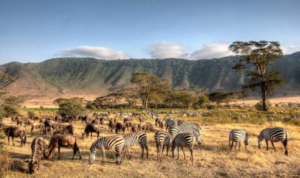
The finest moments on safari are rarely scheduled. A private tour lets you stay with a leopard in a tree, follow a cheetah stalking across the plains, or watch a river crossing build for hours. You are never pressured to leave because someone else is restless.
Personalised Guiding
Your guide can focus entirely on your interests. If you love birds, the day tilts toward birdlife. If you are photographing predators, the guide positions the vehicle accordingly. Over several days, a strong guide often becomes a trusted companion.
Ideal for Photographers
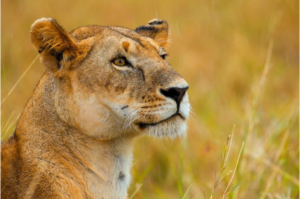
A private vehicle gives you uninterrupted access to windows and roof hatches, and your guide can angle the vehicle for the best light. You also avoid the delays that come with other people changing lenses or moving around.
Better for Families
Children need breaks, snacks, and activities tailored to their energy levels. In a private vehicle, you can adapt the day, shorten drives, and include child-friendly experiences without affecting anyone else.
Comfort and Privacy
Multigenerational groups, honeymooners, and travellers with mobility needs especially appreciate the space and control a private tour offers.
The Main Parks and Routes
The Northern Circuit
The northern circuit is the classic route, linking Tarangire, Lake Manyara, Ngorongoro, and the Serengeti. It offers an exceptional variety of landscapes and wildlife within a manageable distance, and it suits first-time visitors well.
- Tarangire National Park: Known for large elephant herds, ancient baobab trees, and dry-season concentrations of wildlife.
- Lake Manyara National Park: A compact park with lush forest, birdlife, and views across the Rift Valley.
- Ngorongoro Crater: A vast caldera with dense wildlife and spectacular scenery, usually visited in a half-day morning descent.
- Serengeti National Park: The centrepiece, with enormous plains, big cats, and the Great Migration.
The Southern Circuit
The south offers a quieter, wilder experience. Nyerere National Park, formerly part of the Selous Game Reserve, is known for river safaris and walking, while Ruaha National Park is rugged and dramatic, with lions, elephants, and large baobabs. Visitor numbers are low, which suits travellers who prefer solitude.
The Western Circuit
For adventurous travellers, Mahale Mountains and Katavi offer chimpanzee trekking and remote wilderness. Access is typically by light aircraft, and the experience is very much off the beaten track.
Extensions
Many private tours add a beach stay on Zanzibar, a climb of Kilimanjaro, or cultural visits with Maasai and other communities to round out the journey.
Following the Great Migration Privately
The Great Migration is one of the main reasons people visit Tanzania, and a private tour offers advantages for following it. Because the herds follow rainfall, their exact location changes each year, and a private guide and flexible itinerary can adapt.
- January to March: Calving season on the southern plains and Ndutu.
- April to May: Herds begin moving north and west, with lush scenery and fewer visitors.
- June to July: Herds move through the central and western areas, with possible Grumeti River crossings.
- July to October: The northern Serengeti and Mara River crossings.
- November to December: The herds drift south again.
Staying at least four to five nights in the region where the herds are expected improves your chances, and splitting your stay between two camps can help.
Types of Accommodation on a Private Tour
Private safari tours can pair with many types of accommodation:
- Budget lodges and camps: Simple, clean, and affordable, suitable for travellers who prioritise wildlife over comfort.
- Mid-range lodges and tented camps: Comfortable ensuite rooms, good food, and reasonable locations.
- Luxury lodges and camps: Spacious suites, refined cuisine, prime locations, and exclusive activities.
- Mobile camps: Seasonal tented camps that move with the herds, offering a classic bush atmosphere.
Your choice shapes both budget and experience, and a good planner will help you balance location, comfort, and cost.
How Much Do Private Safari Tours in Tanzania Cost?
Costs vary widely depending on season, accommodation, and group size. As a rough guide, per person per night:
- Budget private safaris: Roughly 200 to 350 US dollars, with simple lodges and camps.
- Mid-range private safaris: Roughly 350 to 600 US dollars, with comfortable lodges and tented camps.
- Luxury private safaris: Commonly from 700 to well over 2,000 US dollars, with high-end camps and exclusive activities.
These figures are broad estimates and change with the season and the property. Peak months from July to October and the calving period carry the highest rates, while the green season offers savings. Park fees are a significant part of the cost in Tanzania, so check whether they are included. Larger groups benefit because the vehicle and guide cost is shared, which narrows the per-person premium over group tours.
Best Time for a Private Safari in Tanzania
- June to October: Dry season, with excellent viewing and river crossings from around July. Peak prices and demand.
- January to March: Calving season, warm weather, and fewer visitors.
- November and December: Short rains, green landscapes, and quieter parks.
- April and May: Long rains, lowest prices, and fewest visitors, though some camps close.
If you are flexible, the shoulder months often combine good wildlife with better value and fewer vehicles.
How to Plan Your Private Safari Tour
- Decide your priorities. Is it the migration, big cats, birds, photography, or a family adventure?
- Choose your season and route. Match the parks and timing to what you want to see.
- Set your budget. Include park fees, flights, tips, and extras.
- Select a reputable operator. Look for local expertise, clear pricing, and positive recent reviews.
- Discuss the guide. Ask about experience, qualifications, languages, and specialist interests.
- Allow enough time. Seven to ten days works for most itineraries, with longer for combinations.
- Book early. Good guides and small camps fill quickly for peak season.
- Prepare thoroughly. Arrange visas, vaccinations, insurance, and suitable clothing.
Tips for a Smooth Tour
- Share your wishes openly with your operator and guide.
- Be patient and flexible, since wildlife is unpredictable.
- Respect safety guidance, particularly around animals and after dark.
- Pack in layers, with neutral colours, a warm jacket, sun protection, and sturdy shoes.
- Bring good optics, including binoculars and a camera with a zoom lens.
- Tip fairly. Guides and camp staff rely on tips, and your operator can suggest appropriate amounts.
Travelling Responsibly
Tourism is a major source of funding for Tanzania’s national parks and communities. Choose operators that hire and train local guides, pay fair wages, and support conservation. Keep your distance from wildlife, avoid littering, and follow park rules. Your trip can help protect the landscapes and species that make Tanzania so remarkable.
Conclusion
Private safari tours in Tanzania offer freedom, expertise, and intimacy that group travel rarely matches. With your own guide and vehicle, you can follow your curiosity, linger where the wildlife is best, and shape each day to your pace. Whether you choose the classic northern circuit, the quiet south, or a migration-focused journey, careful planning and a trusted operator will make the experience exceptional. Start early, share your goals, and leave room for the unexpected, since the best safari moments often arrive when you are free to stay a little longer.
Key Takeaways
- A private safari tour gives your group its own guide, vehicle, and flexible itinerary.
- Benefits include freedom at sightings, personalised guiding, better photography, and family-friendly pacing.
- The northern circuit is ideal for first-timers, while the south and west offer solitude and adventure.
- Timing matters: January to March for calving, July to October for river crossings.
- Costs range widely, from roughly 200 US dollars to over 2,000 per person per night depending on style.
- Plan seven to ten days, and book early for peak season.
- Choose responsible operators that support conservation and local communities.
Frequently Asked Questions
What is a private safari tour in Tanzania? It is a tailor-made trip in which your group travels in its own vehicle with its own guide, following an itinerary built around your interests and schedule.
Is a private safari worth it? For many travellers, yes. The flexibility, personal guiding, and privacy can transform the experience, particularly for photographers, families, and couples.
How much does a private safari in Tanzania cost? Costs range from roughly 200 US dollars per person per night for simple options to over 2,000 for luxury, depending on season and accommodation. Park fees and flights may be additional.
How many days do I need? Seven to ten days suits most travellers for the northern circuit. Longer trips allow the south, chimpanzee trekking, or a beach stay.
When is the best time to go? June to October is the classic dry season, while January to March is excellent for calving. Each period offers something different.
Can I choose my guide? You can usually discuss preferences such as language and specialist interests, and a good operator will match you with a suitable guide.
Are private tours suitable for children? Yes. You can adjust the pace and activities, and choose camps that welcome families.
Can I combine a private safari with Zanzibar or Kilimanjaro? Yes. Many travellers add a beach stay or a mountain climb to their safari.
How early should I book? For peak season, book nine to twelve months ahead. Green season offers more flexibility.
