

Introduction
There is a reason why Mount Kilimanjaro attracts more than 50,000 trekkers every year — and a reason why a meaningful percentage of those trekkers do not reach Uhuru Peak. The mountain’s deceptive reputation as a “walkable” summit, requiring no ropes or technical climbing skills, leads many people to underestimate what a guided tour actually provides. They see a guide as a formality — someone to point the way up the trail. In reality, on a mountain that rises nearly 4,000 metres above the surrounding plains and subjects climbers to arctic temperatures, dangerously low oxygen levels, and rapidly changing weather, a skilled guide is the difference between a successful summit and a medical emergency.
This guide examines everything you need to know about guided Kilimanjaro trekking tours: why they are legally required, what distinguishes an exceptional tour from an average one, how to evaluate operators, what to expect on the mountain, and how to match the right tour to your goals, budget, and experience level.
Why Guided Trekking Is Mandatory — and Why That Is a Good Thing
Tanzania National Parks regulations explicitly prohibit unguided climbing on Kilimanjaro. Every trekking group must be accompanied by at least one TANAPA-licensed guide from the moment they enter the national park boundary. This is not bureaucratic box-ticking. It is a policy born from hard experience with altitude emergencies, lost climbers, and the logistical complexity of a mountain that draws tens of thousands of visitors annually.
Beyond legal compliance, the practical case for guided trekking on Kilimanjaro is overwhelming.
Altitude management is a specialised skill. Acute Mountain Sickness (AMS) — and its life-threatening progressions, High Altitude Pulmonary Oedema (HAPE) and High Altitude Cerebral Oedema (HACE) — can develop rapidly and is not reliably self-diagnosed. Experienced guides conduct daily health assessments, measure blood oxygen saturation with pulse oximeters, and recognise the early warning signs of serious altitude illness that climbers themselves frequently dismiss as normal tiredness. Their willingness and authority to insist on descent when symptoms demand it saves lives.
Navigation and route knowledge matter more than they appear. The upper zones of guided Kilimanjaro trekking tours — the alpine desert and glacial summit area — offer limited visual reference points, are frequently shrouded in cloud or storm, and present real navigation challenges during the pre-dawn summit push. Guides who have made hundreds of ascents carry an instinctive understanding of conditions, timing, and route nuances that no map or GPS device can replicate.
Logistical coordination is immense. A guided Kilimanjaro tour involves coordinating the movement of food, water, fuel, camping equipment, and medical supplies across multiple days and altitude zones. Experienced operators and their crew teams manage this seamlessly — allowing trekkers to focus entirely on their own physical and mental performance.
What a Quality Guided Kilimanjaro Tour Looks Like
Not all guided tours are created equal. Understanding what separates an exceptional guided experience from a merely adequate one — or a dangerous one — is essential to making a sound booking decision.
Pre-Trek Orientation and Briefing
A well-run tour begins before you set foot on the mountain. Reputable operators conduct a comprehensive pre-trek briefing covering the route itinerary, daily schedule, altitude profile, acclimatisation strategy, AMS symptoms and protocols, gear check, and an introduction to your guide team. This briefing sets the tone for the entire climb and gives you confidence in your operator’s professionalism and preparation.
The Guide Team
The heart of any guided Kilimanjaro tour is its guide team. At minimum, a responsible operator provides:
- One lead guide — TANAPA-licensed, with extensive summit experience and first aid certification
- One or more assistant guides — supporting the lead guide, positioned at the back of the group to monitor slower climbers and ensure no one is left behind
- A mountain cook — dedicated to preparing nutritious, high-calorie meals that fuel the demands of high-altitude trekking
- Porters — carrying equipment, food, and supplies in accordance with KPAP maximum load guidelines
Premium operators go further, employing guides with Wilderness First Responder (WFR) certification, naturalist training, and multilingual capability. The depth and quality of the guide team is the clearest single indicator of a tour’s overall standard.
Daily Health Monitoring
On a quality guided tour, health monitoring is not a formality — it is a structured, twice-daily protocol. Blood oxygen saturation and heart rate are measured each morning and evening at camp. Guides conduct the Lake Louise Score assessment — a standardised altitude illness symptom checklist — and document results throughout the climb. Trekkers reporting headache, nausea, loss of appetite, or disturbed sleep are assessed carefully, and any deterioration is addressed with immediate protocol: rest, hydration, medication if appropriate, or descent if necessary.
This rigorous monitoring is what transforms a guided tour from a leisurely walk into a genuinely managed high-altitude expedition.
Acclimatisation Itinerary Design
The best guided tours are built around evidence-based acclimatisation principles. This means:
- Gradual daily altitude gain — typically not exceeding 300–400 metres net gain per day above 3,000 metres
- “Climb high, sleep low” days — where the group ascends to a higher elevation during the day before descending to sleep at a lower camp, stimulating physiological adaptation
- Built-in rest days on longer itineraries, allowing the body to consolidate acclimatisation before continuing
- Strategic pacing — guides actively managing group speed to prevent overexertion, particularly on the lower slopes where trails feel deceptively easy
Tours that incorporate these principles across 7–9 day itineraries achieve summit success rates that are dramatically higher than those of compressed 5–6 day tours.
Camp Setup and Comfort Standards
The gap between budget and premium guided tours is most visible at camp. Standard guided tours provide functional two-person tents, a basic dining shelter, and camp toilet facilities. Premium guided tours deliver a markedly different experience: spacious individual or double tents with sleeping mats and inner liners, fully equipped dining tents with folding tables and chairs, hot water for washing, private toilet tents with chemical toilets, solar-powered lighting, and in some cases, portable shower units. Pre-summit night warm drinks and snacks delivered to your tent are a hallmark of the highest-tier operators.
Emergency Preparedness
Every reputable guided tour should carry a portable altitude chamber (Gamow bag), supplemental oxygen cylinders, a comprehensive first aid kit, and a satellite communication device. Ask any prospective operator to confirm the presence of this equipment — and to describe the evacuation protocol in the event of a serious medical emergency. Kilimanjaro has helicopter evacuation capability, and the best operators have established relationships with evacuation services and carry the documentation and insurance arrangements to activate them swiftly.
Choosing the Right Guided Tour for You
By Route
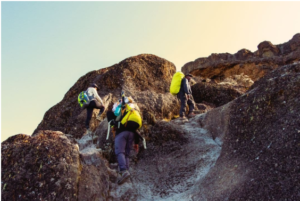
The route you choose determines the character of your guided tour experience. Each major route has a distinct personality:
Lemosho (7–9 days): The finest all-round guided tour experience on the mountain. Remote, scenic, and excellently designed for acclimatisation. Ideal for first-time Kilimanjaro climbers seeking the best balance of beauty, success probability, and manageable crowds.
Northern Circuit (9–10 days): The most immersive guided tour available — a near-complete circumnavigation of the mountain with unparalleled remoteness and the highest acclimatisation opportunity. Best for those who prioritise summit success and wilderness experience above all else.
Machame (6–7 days): The most popular guided route. Dramatic scenery, strong acclimatisation profile on the 7-day itinerary, and a vibrant group atmosphere. The 7-day version is strongly recommended over the 6-day.
Rongai (6–7 days): A quieter, drier approach from the north. A good choice for those who prefer less-travelled trails and want a different perspective on the mountain.
Marangu (5–6 days): The only route with permanent hut accommodation, making it appealing for those who dislike camping. The 6-day version is strongly preferred over the 5-day, which has the lowest summit success rate of any standard itinerary.
By Group Type
Solo travellers benefit enormously from joining a guided group departure — built-in companionship, shared costs, and the social energy that sustains morale on difficult days.
Couples and small friend groups can choose between joining a group departure or booking a private guided tour. At group sizes of 4 or more, private tours become cost-competitive and offer superior pace control and personalisation.
Family groups with teenagers should prioritise longer itineraries and operators experienced in guiding younger climbers. The minimum recommended age for Kilimanjaro is generally 10–12 years, though fitness and maturity matter more than age. Guides experienced with family groups manage pacing and morale with particular skill.
Corporate and incentive groups frequently book private guided Kilimanjaro tours as team-building experiences. Premium operators who specialise in group logistics, manage large porter teams smoothly, and deliver a consistently high experience standard are the appropriate choice for this segment.
By Experience Level
First-time high-altitude trekkers should choose a longer route (Lemosho or Northern Circuit), book with a mid-tier or premium operator, and resist the temptation to economise on itinerary length. The guided tour experience is specifically designed to manage the unknowns of first-time altitude exposure — trust it.
Experienced trekkers with prior high-altitude experience above 4,000–5,000 metres have a physiological advantage and may find shorter routes more viable. Even so, the additional days of a longer route cost relatively little per day and represent excellent insurance.
Climbers with prior Kilimanjaro experience returning for a second attempt may wish to explore the Northern Circuit or a less-travelled route variant to experience the mountain from a new perspective.
What to Expect Day by Day on a Guided Kilimanjaro Trek
While every route differs in detail, the structure of a guided Kilimanjaro tour follows a broadly consistent daily rhythm:
Morning: Wake-up call with hot drinks delivered to the tent. Breakfast in the dining tent. Health check by guide team. Briefing on the day’s route, distance, altitude gain, and expected conditions.
On the trail: The group moves together at a pace set by the lead guide — invariably slower than most trekkers expect, in deliberate adherence to the pole pole (“slowly, slowly”) principle. Guides provide commentary on ecology, geology, and cultural context as you pass through different mountain zones.
Afternoon arrival at camp: Tents are pre-erected by the porter team, who move ahead each day. Hot drinks and snacks await arrival. Rest period before evening health check and dinner.
Evening: Dinner in the dining tent. Guide briefing for the following day. Early sleep — essential at altitude, where the body does its most critical acclimatisation work during rest.
Summit night: Departure from high camp typically between midnight and 1:00 a.m. The guided ascent to Uhuru Peak takes 5–7 hours, with guides managing pace, morale, and health monitoring continuously throughout.
Q&A: Guided Kilimanjaro Trekking Tours
Q: Can I climb Kilimanjaro without a guide?
A: No. TANAPA regulations make guided climbing legally mandatory on all Kilimanjaro routes. Any operator suggesting otherwise is either misinformed or operating outside the law. Beyond legality, the safety case for experienced high-altitude guidance on a 5,895-metre peak is overwhelming.
Q: How experienced should my guide be?
A: Your lead guide should hold a current TANAPA licence and have completed a minimum of 50–100 documented summit ascents. First aid certification — ideally Wilderness First Responder level — is an important additional qualification. Ask operators directly for the guide credentials of the specific individuals assigned to your climb, not just a general company profile.
Q: What languages do Kilimanjaro guides speak?
A: Most licensed guides speak fluent Swahili and English. Many also speak German, French, Italian, or Spanish, reflecting the international profile of Kilimanjaro trekkers. If you require a guide with specific language fluency beyond English, confirm this with the operator during booking.
Q: How many guides and porters will accompany my group?
A: A responsible operator assigns a minimum of one licensed lead guide and one assistant guide per group, with additional assistants for groups larger than 6 climbers. Porter allocation is typically 1.5–2 porters per climber to stay within KPAP load guidelines. A group of 4 climbers should expect a team of approximately 10–15 crew members in total, including cook and porters.
Q: What happens if I develop severe altitude sickness during the tour?
A: Your guide team will continuously assess your condition and will not hesitate to initiate descent if symptoms warrant it. In serious cases, supplemental oxygen and a portable altitude chamber will be deployed while descent arrangements are made. Emergency evacuation via helicopter or stretcher carry is available on Kilimanjaro, and reputable operators have established protocols for activating these services rapidly. This is precisely why booking with an operator who carries full safety equipment is non-negotiable.
Q: Is it worth paying more for a premium guided tour?
A: For most climbers, yes. The additional cost of a mid-tier to premium guided tour buys meaningfully better guide quality, more rigorous health monitoring, superior food and camp comfort, and the ethical assurance of fair crew treatment. On a once-in-a-lifetime climb that has taken months to prepare for, the difference between a budget and a quality guided experience — often $500–$1,000 per person — is rarely a decision people regret in either direction. Most who save on price wish they had not; most who invest in quality have no regrets.
Key Takeaways
- Guided trekking is legally mandatory on Kilimanjaro — solo, unguided ascents are prohibited by Tanzania National Parks (TANAPA) regulations.
- A quality guided tour does far more than lead the trail — experienced guides actively manage acclimatisation, monitor health, make safety decisions, and dramatically improve summit success rates.
- Guided tours vary enormously in quality, from budget operations with minimal safety infrastructure to premium tours with expert naturalist guides, gourmet catering, and luxury camp setups.
- The guide-to-climber ratio is one of the most important quality indicators — look for a minimum of one licensed guide plus one assistant guide per group, with additional assistants for larger parties.
- TANAPA-licensed, KPAP-affiliated tour operators represent the gold standard of ethical and safe guided trekking on Kilimanjaro.
- Tour duration is the single greatest predictor of summit success — guided tours of 8–9 days consistently outperform shorter itineraries regardless of route.
- Pre-trek briefings, health monitoring protocols, and emergency evacuation plans should be standard features of any reputable guided Kilimanjaro tour.
Conclusion
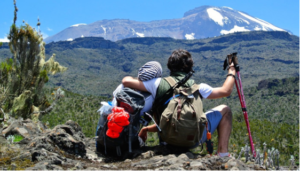
A guided Kilimanjaro trekking tour is not a convenience — it is the foundation upon which a safe, successful, and deeply rewarding summit experience is built. The guide team that accompanies you on the mountain is responsible not merely for showing you the path, but for protecting your health, managing your acclimatisation, sustaining your morale on the hardest days, and making the critical judgement calls that determine whether you reach Uhuru Peak safely.
The quality of that team, and the guided kilimanjaro trekking tours structure surrounding it, varies enormously across the Kilimanjaro guiding industry. The climbers who invest time in choosing the right operator — verifying TANAPA licensing and KPAP affiliation, asking hard questions about guide credentials and safety equipment, selecting a tour duration that genuinely supports acclimatisation — are the climbers who stand on the summit at sunrise.
Kilimanjaro is Africa’s greatest trekking challenge. It deserves to be approached with the right team beside you. Choose your guided tour with the same care and intention you bring to every other aspect of your preparation, and the Roof of Africa will reward you.
