

Introduction
Few places on Earth stir the imagination quite like the Serengeti. Spanning over 14,750 square kilometers across northern Tanzania, this ancient savanna is home to one of the most spectacular concentrations of wildlife on the planet. The Serengeti National Park — a UNESCO World Heritage Site — has captivated explorers, naturalists, and adventurers for generations, and today it remains the gold standard of African safari destinations.
Whether you are a first-time safari-goer or a seasoned wildlife enthusiast returning for your fifth visit, a Serengeti safari tour offers something extraordinary: raw, unfiltered nature on a scale that modern life rarely allows. From the thundering hooves of the Great Migration to the silent, golden hour glow of a pride of lions, every moment in the Serengeti carries the weight of the wild.
This guide offers everything you need to know to plan your perfect Serengeti safari tours— from the best seasons to visit and the types of tours available, to accommodation options, wildlife highlights, and practical travel tips.
Why the Serengeti? Understanding Its Global Appeal
The Serengeti ecosystem is not simply a national park — it is a living, breathing testament to ecological balance. The name itself comes from the Maasai word Siringet, meaning “endless plains,” and that description could not be more apt. The landscape shifts from open grasslands and acacia woodlands to granite kopjes (rocky outcrops) and dense riverine forests, each supporting a distinct community of animals.
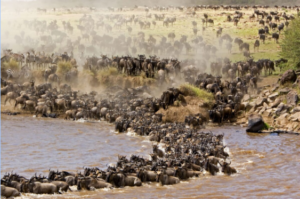
At the heart of the Serengeti’s appeal is the Great Wildebeest Migration — the largest overland animal migration on Earth. Every year, approximately 1.5 million wildebeest, alongside 400,000 zebras and hundreds of thousands of gazelles, undertake a circular journey through the Serengeti and into Kenya’s Masai Mara in search of fresh grazing. The migration is not a single event but a continuous, year-round movement, with dramatic river crossings at the Mara and Grumeti rivers offering some of the most thrilling wildlife spectacles imaginable.
Beyond the migration, the Serengeti supports an extraordinary diversity of life. The park hosts all of Africa’s Big Five — lion, leopard, elephant, Cape buffalo, and rhinoceros — along with cheetahs, hyenas, wild dogs, hippos, crocodiles, and more than 500 bird species.
Types of Serengeti Safari Tours
Choosing the right type of safari tour is crucial to shaping your overall experience. The Serengeti accommodates a wide range of travel styles and budgets.
1. Game Drive Safaris
The classic and most popular option, game drives involve guided excursions in 4×4 vehicles through the park. Morning and evening drives align with peak animal activity. Open-roof jeeps allow for panoramic photography and unobstructed views across the plains.
2. Hot Air Balloon Safaris
For a truly breathtaking perspective, hot air balloon rides over the Serengeti are among the most memorable experiences in all of Africa. Launched at dawn, these hour-long flights glide silently above the savanna, revealing wildlife patterns invisible from ground level. Most balloon tours conclude with a champagne breakfast in the bush.
3. Walking Safaris
Guided walking safaris offer an intimate, ground-level encounter with the Serengeti’s flora and smaller fauna. Led by expert rangers, these excursions bring you closer to animal tracks, insects, plants, and the subtler rhythms of the ecosystem. Walking safaris are typically conducted in the park’s buffer zones rather than core areas.
4. Fly-In Safaris
For travelers with limited time, fly-in safaris use light aircraft to transfer between remote airstrips across the Serengeti. This approach maximizes wildlife time and minimizes road travel, allowing access to secluded corners of the park that overland vehicles cannot easily reach.
5. Mobile Tented Camp Safaris
Mobile camps relocate seasonally to follow the migration. This dynamic style of touring ensures you are always positioned near the action, whether that means the calving grounds of the southern Serengeti in January or the dramatic Mara River crossings in July and August.
Best Time to Visit the Serengeti
The Serengeti safari tours climate and wildlife patterns shift throughout the year, and timing your visit strategically can significantly enhance your experience.
| Season | Months | Highlights |
| Dry Season (Peak) | June – October | Best game viewing; river crossings; clear skies |
| Short Dry Season | January – February | Calving season; newborns attract predators |
| Green Season | November – May | Lush landscapes; fewer tourists; birdwatching |
| Long Rains | March – May | Some roads difficult; dramatic scenery |
June to October is widely considered the best overall period for safari. Vegetation is low, animals gather around water sources, and the famous Mara River crossings are at their most intense between July and September. However, this is also peak tourist season, so expect higher prices and more crowded sightings.
January and February offer a uniquely moving experience: the calving season in the southern Serengeti and Ngorongoro area. Up to 8,000 wildebeest calves are born daily during this period, drawing large numbers of predators. The result is some of the most dramatic wildlife interactions of the year.
The green season (November through May) appeals to photographers, birdwatchers, and those seeking a quieter, more affordable safari. Migratory birds are present in large numbers, the landscape is lush and vibrant, and accommodations are often available at discounted rates.
Where to Stay: Accommodation Options
The Serengeti offers a spectrum of lodging experiences, from ultra-luxury lodges to budget camping sites.
Luxury Lodges and Tented Camps sit at the pinnacle of the safari experience. Properties such as the Four Seasons Safari Lodge Serengeti, Singita Grumeti, and &Beyond Serengeti Under Canvas offer world-class amenities, gourmet dining, private game vehicles, and immersive design that blends seamlessly with the surrounding landscape. Rates at top-tier lodges can range from $700 to over $2,000 per person per night.
Mid-Range Camps offer excellent comfort and quality guiding at a more accessible price point, typically between $250 and $600 per person per night. These camps generally include full board, twice-daily game drives, and experienced naturalist guides.
Public Campgrounds managed by the Tanzania National Parks Authority (TANAPA) are the most budget-friendly option, though facilities are basic and visitors must be self-sufficient or join a group tour.
When selecting accommodation, consider proximity to key migration zones. The Central Serengeti (Seronera) is the most accessible area year-round. The Northern Serengeti is ideal for river crossings. The Southern Serengeti and Ndutu are best for calving season.
Wildlife Highlights Beyond the Migration
While the Great Migration rightfully commands global attention, the Serengeti’s wildlife calendar is rich with remarkable encounters throughout the year.
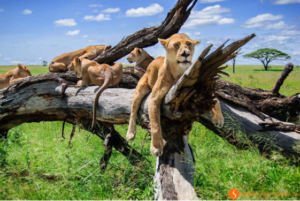
Lions are found across the park in high densities, with the Serengeti estimated to host approximately 3,000 individuals — one of Africa’s largest lion populations. The Seronera Valley is particularly productive for lion sightings.
Cheetahs thrive on the open southern plains, where their speed gives them a hunting advantage. The Serengeti is one of the best places in Africa to witness a cheetah hunt in open terrain.
Leopards, though elusive and largely nocturnal, are regularly spotted resting in acacia trees along river courses. Early morning game drives offer the best chances of a sighting.
Elephants are commonly seen near woodlands and waterholes, often traveling in large family herds. The western corridor and northern areas around Lobo hold healthy elephant populations.
Hippos and Nile Crocodiles inhabit the Grumeti and Mara rivers, where they play a central — and dramatic — role during migration river crossings.
Key Takeaways
- 🦁 The Serengeti is a year-round destination — each season offers distinct and compelling wildlife experiences suited to different interests and budgets.
- 🐃 The Great Migration is not a single event — it is a continuous circular movement; the most dramatic crossings occur between July and October.
- 🎈 Hot air balloon safaris offer a once-in-a-lifetime aerial perspective and are highly recommended for photographers and honeymooners.
- 🏕️ Accommodation choice matters — selecting lodges or camps positioned within or adjacent to seasonal migration zones dramatically improves your overall experience.
- 📅 Book well in advance — peak-season lodges and mobile camps can fill up 12 to 18 months ahead, especially for the July–September river crossing period.
- 🌿 Responsible tourism matters — choose operators certified by the Tanzania Association of Tour Operators (TATO) and prioritize camps that support local conservation and community initiatives.
Frequently Asked Questions (Q&A)
Q: Do I need a visa to visit Tanzania for a Serengeti safari? A: Most nationalities require a visa to enter Tanzania. Travelers from many countries — including the United States, United Kingdom, and EU nations — can obtain a tourist visa on arrival or apply for an e-Visa online prior to departure. Always confirm current requirements with the Tanzanian embassy or official government sources before travel.
Q: How safe is it to go on a Serengeti safari? A: The Serengeti is considered a safe safari destination for tourists. Game drives are conducted in sturdy vehicles by trained guides, and reputable operators follow strict safety protocols. Standard precautions apply — avoid wandering alone at night, follow your guide’s instructions at all times, and purchase comprehensive travel insurance including medical evacuation coverage.
Q: What vaccinations are required or recommended? A: Yellow fever vaccination is required if traveling from a yellow fever-endemic country. Recommended vaccinations generally include typhoid, hepatitis A and B, and routine immunizations. Anti-malarial medication is strongly advised, as Tanzania is a malaria-endemic region. Consult a travel medicine specialist at least 4–6 weeks before departure.
Q: How many days should I allocate for a Serengeti safari? A: A minimum of three nights is recommended to get a meaningful experience, but five to seven nights allows you to explore different zones, witness varied wildlife behavior, and settle into the rhythm of the bush. Combining the Serengeti with the Ngorongoro Crater and Tarangire National Park creates a well-rounded northern Tanzania itinerary.
Q: Can children participate in Serengeti safari tours? A: Many camps and lodges welcome children, though some exclusive properties set a minimum age of 12 or older, particularly for walking safaris. Family-friendly camps often offer dedicated wildlife programs and child-sized binoculars and field guides. Always confirm age policies with your chosen operator when booking.
Q: What should I pack for a Serengeti safari? A: Pack lightweight, neutral-colored clothing (khaki, beige, olive — avoid bright colors or camouflage), sturdy walking shoes or boots, a wide-brimmed hat, high-SPF sunscreen, insect repellent, binoculars, and a camera with a telephoto lens. Mornings and evenings can be cool, so include a light fleece or jacket.
Conclusion
Serengeti safari tours are not merely a holiday — it is a transformative encounter with the natural world in its most elemental form. From the thundering chaos of a wildebeest river crossing to the quiet dignity of an elephant family moving through golden grassland at dusk, the Serengeti has an extraordinary capacity to move people in ways that are difficult to articulate but impossible to forget.
Planning thoughtfully — choosing the right season, the right tour type, and the right operator — ensures that your time in this iconic ecosystem is not only unforgettable but also meaningful. By selecting responsible operators and supporting conservation-focused lodges, every visitor contributes to the long-term protection of one of Earth’s last great wilderness areas.
The Serengeti endures. And with the right preparation, your safari there will too — as a memory you carry for a lifetime.
