

Uganda, often celebrated as the Pearl of Africa, offers one of the most remarkable wildlife encounters on the planet: the opportunity to trek through ancient rainforests and spend time with endangered mountain gorillas in their natural habitat. Home to roughly half of the world’s remaining mountain gorilla population, Uganda provides access to these magnificent primates through two exceptional national parks—Bwindi Impenetrable National Park and Mgahinga Gorilla National Park. However, the gateway to this extraordinary experience hinges on one crucial element: securing a gorilla trekking permit. Understanding the process of booking gorilla permits in Uganda can mean the difference between a seamless adventure and disappointing setbacks.
Understanding Uganda’s Gorilla Permits
A gorilla permit is an official document issued by the Uganda Wildlife Authority that grants one person the right to track and spend one hour with a habituated mountain gorilla family on a specific date in a designated national park. These permits serve multiple critical functions: they generate revenue for conservation efforts, limit the number of daily visitors to reduce stress on gorilla families, and help prevent disease transmission from humans to these endangered primates who share approximately 98% of our DNA.
Uganda currently offers several types of gorilla experiences, each requiring different permits at varying price points. The standard gorilla trekking permit allows visitors to spend one hour with a gorilla family and costs $800 per person for foreign non-residents, $700 for foreign residents of East African countries, and significantly less for Ugandan citizens. This pricing structure represents exceptional value compared to neighboring Rwanda, where similar permits cost $1,500, making Uganda an increasingly popular destination for budget-conscious travelers seeking authentic gorilla encounters.
Beyond standard trekking, Uganda offers a gorilla habituation experience exclusively in Bwindi’s southern sector. This extended encounter permits visitors to spend up to four hours with a gorilla family still undergoing the habituation process, providing deeper insights into gorilla behavior and conservation work. Habituation permits cost $1,500 per person for foreign non-residents, positioning them as premium experiences for those seeking more extensive gorilla interaction.
Where to Track Gorillas in Uganda
Bwindi Impenetrable National Park stands as Uganda’s primary gorilla trekking destination, harboring approximately 459 mountain gorillas across four distinct sectors: Buhoma in the north, Ruhija in the east, Rushaga in the south, and Nkuringo in the southwest. Each sector offers unique advantages, with habituated gorilla families distributed throughout the park’s 331 square kilometers of montane and lowland forest. The diversity of sectors means visitors can choose locations based on accommodation preferences, fitness levels, and desired trekking difficulty.
Mgahinga Gorilla National Park, Uganda’s smallest national park at just 33.7 square kilometers, forms part of the larger Virunga Conservation Area shared with Rwanda and the Democratic Republic of Congo. While Mgahinga hosts only one habituated gorilla family—the Nyakagezi group—this family’s transborder movements and the park’s stunning volcanic landscape create distinctive trekking experiences. The park’s smaller size and single gorilla family mean permit availability can be more limited, requiring earlier booking for those specifically targeting Mgahinga.
The choice between Bwindi and Mgahinga often depends on various factors including travel logistics, accommodation availability, and personal preferences regarding landscape and trekking conditions. Bwindi’s multiple sectors provide greater flexibility and permit availability, while Mgahinga offers intimate experiences with dramatic volcanic scenery and the possibility of combining gorilla trekking with golden monkey tracking or volcano hiking.
The Booking Process: Step by Step
Securing gorilla permits in Uganda requires strategic planning and attention to procedural details. The booking process begins with determining your preferred trekking dates, which should account for Uganda’s climate patterns and personal schedule considerations. The dry seasons from June to September and December to February represent peak trekking periods when trails are more manageable, though permits become scarce due to high demand. The wet seasons from March to May and October to November offer better permit availability, lush forest conditions, and fewer tourists, though trails become muddier and more challenging.
Once you’ve identified potential dates, the next decision involves booking directly through the Uganda Wildlife Authority or engaging a registered tour operator. Direct bookings require navigating the UWA’s procedures independently, including submitting passport copies, making international bank transfers, and coordinating all logistics yourself. While this approach can save money, it demands significant time investment and familiarity with Ugandan banking systems and communication channels.
Most travelers opt to book through registered tour operators who handle the entire process, from permit procurement to accommodation arrangements, transportation, and additional activities. Reputable operators maintain relationships with the Uganda Wildlife Authority and can often secure permits more efficiently while providing comprehensive safari packages. This approach costs more due to service fees but offers convenience, expertise, and backup support if complications arise.
The actual booking procedure involves several key steps. First, check permit availability for your desired dates by contacting the Uganda Wildlife Authority directly or through your chosen tour operator. Given that only eight permits are issued per gorilla family per day, availability can be limited, particularly during peak seasons. Once you’ve confirmed availability, you’ll need to provide passport copies for all trekkers, as permits are issued in specific names and are non-transferable.
Payment represents the next critical phase. The Uganda Wildlife Authority requires full payment to reserve permits, typically through bank transfer to their designated account. Processing times for international transfers can extend to several business days, so factor this into your planning timeline. Upon receipt of payment, the UWA issues official permits containing your name, passport number, trekking date, and assigned sector or park. These documents must be presented on trekking day, so safeguarding digital and physical copies is essential.
Timeline Considerations for Booking
The question of when to book gorilla permits generates considerable discussion among travelers and tour operators. While the Uganda Wildlife Authority technically accepts bookings up to two years in advance, practical considerations suggest different optimal booking windows depending on travel season and flexibility.
For peak season travel during June through September or December through February, booking three to six months in advance is strongly recommended. High demand during these periods means permits can sell out entirely, particularly for popular sectors like Buhoma and Rushaga in Bwindi. Travelers with fixed vacation schedules or those booking as part of larger groups should err toward earlier booking to guarantee availability.
Wet season travel offers more flexibility, with permits sometimes available just weeks or even days before desired trekking dates. However, relying on last-minute availability involves considerable risk, as unpredictable demand fluctuations or group bookings can quickly exhaust available permits. Even during quieter periods, booking at least two to three months ahead provides peace of mind and allows adequate time to arrange supporting logistics like accommodation, transportation, and additional activities.
Special considerations apply to travelers hoping to trek during specific events or alongside particular experiences. Those combining gorilla trekking with other Ugandan attractions like chimpanzee tracking in Kibale Forest, wildlife safaris in Queen Elizabeth or Murchison Falls National Parks, or cultural experiences should coordinate all bookings simultaneously to ensure schedule alignment. Tour operators excel at managing these complex itineraries, securing multiple permits and reservations in proper sequence.
Navigating Challenges and Common Pitfalls
Despite the seemingly straightforward nature of permit booking, several challenges can complicate the process. Understanding these potential pitfalls helps travelers avoid disappointments and successfully secure their desired trekking experiences.
Passport accuracy represents a critical concern. Permits are issued based on passport information provided during booking, and names must match exactly. Travelers who renew passports between booking and trekking must inform the Uganda Wildlife Authority immediately to update permit details. Failure to do so can result in denied trekking access, as mismatched documents raise security and verification concerns. The UWA typically allows name corrections without penalty if notified well in advance, but last-minute changes may not be accommodated.
Payment complications frequently arise with international bank transfers. Currency exchange fluctuations, transfer fees, and processing delays can result in underpayment or delayed receipt of funds by the Uganda Wildlife Authority. Working with tour operators who handle payments in-country eliminates these concerns, as they manage currency conversion and ensure full amounts reach the UWA promptly. Independent bookers should confirm exact amounts including all fees and maintain transfer documentation as proof of payment.
Date changes and cancellations pose another challenge. Uganda Wildlife Authority policy states that permits are non-refundable and cannot be transferred to other individuals. However, the authority may allow date changes if requested well in advance and alternative dates have availability. Medical emergencies supported by documentation receive more consideration, though outcomes vary depending on circumstances. Travel insurance covering trip cancellations can protect your investment, though most standard policies exclude permit costs unless upgraded specifically to cover such expenses.
Communication difficulties sometimes frustrate direct bookers. The Uganda Wildlife Authority’s offices in Kampala operate during East African business hours, and response times to emails or phone inquiries can extend several days. Language barriers, time zone differences, and limited internet connectivity in remote areas contribute to these challenges. Tour operators with established UWA relationships and local presence navigate these communication hurdles more effectively, providing quicker confirmations and resolving issues efficiently.
Maximizing Your Permit Investment
Given the significant financial investment that gorilla permits represent, maximizing the value of this experience requires thoughtful preparation extending beyond mere booking logistics. Physical conditioning enhances trekking enjoyment, as mountain gorilla habitats occupy steep, forested terrain at elevations reaching 2,600 meters above sea level. Cardiovascular fitness, leg strength, and hiking experience on uneven surfaces prepare you for treks lasting anywhere from one to eight hours depending on gorilla family locations.
Packing appropriate gear ensures comfort and protection during treks. Essential items include waterproof hiking boots with excellent ankle support, long-sleeved shirts and trousers to protect against stinging nettles, gardening gloves for gripping vegetation, a waterproof daypack, rain gear, insect repellent, and sufficient water and snacks. Neutral-colored clothing is recommended as bright colors can disturb gorillas. Despite the equatorial location, temperatures in gorilla habitats can be surprisingly cool, particularly at higher elevations and during early morning hours when treks begin.
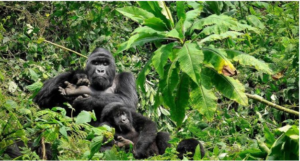
Understanding gorilla trekking etiquette and regulations protects both visitors and gorillas while ensuring meaningful encounters. Visitors must maintain a seven-meter distance from gorillas, though the animals themselves may approach closer out of curiosity. Flash photography is prohibited as it disturbs and potentially frightens gorillas. Any signs of illness, including common colds, necessitate postponing your trek, as human diseases can be fatal to gorillas due to their limited immunity to pathogens foreign to their environment.
Porter services, available for hire at trek starting points, provide valuable support while benefiting local communities. Porters carry daypacks, offer steadying hands on difficult terrain, and share knowledge about the forest ecosystem. Their employment contributes directly to community livelihoods, creating economic incentives for gorilla conservation among populations living adjacent to protected areas. Even travelers who feel physically capable of managing without assistance should consider hiring porters as a meaningful way to support local economies.
Combining Permits with Comprehensive Safari Planning
Gorilla trekking rarely exists as a standalone experience. Most visitors to Uganda combine permit-dependent activities with broader safari itineraries exploring the country’s diverse wildlife, landscapes, and cultural heritage. Thoughtful safari design maximizes both logistical efficiency and experiential value.
Accommodation selection significantly impacts trek enjoyment. Lodges located near park headquarters minimize early morning travel time, allowing for better rest and more leisurely departures. Bwindi and Mgahinga offer accommodation options spanning budget campsites to luxury lodges, with choices varying by sector. Booking accommodation simultaneously with permits ensures availability and proper positioning relative to your assigned trekking sector.
Transportation logistics require careful attention, as Bwindi and Mgahinga are situated in southwestern Uganda, approximately 8-10 hours’ drive from Kampala or Entebbe. Most visitors either drive overland, which allows for sightseeing stops and wildlife viewing opportunities en route, or take domestic flights to airstrips near the parks, significantly reducing travel time while increasing costs. Tour operators coordinate these logistics as part of comprehensive packages.
Additional activities complement gorilla trekking and enhance overall safari value. Bwindi offers forest walks, bird watching (the park harbors over 350 species), community visits, and cultural performances. Mgahinga provides golden monkey tracking, volcano hiking up Mount Sabinyo or Mount Muhavura, and Batwa cultural experiences. Queen Elizabeth National Park, located relatively close to Bwindi, offers traditional game drives featuring tree-climbing lions, elephant herds, and boat safaris along the Kazinga Channel.
The Conservation Context
Understanding the conservation significance of gorilla permits enriches the trekking experience and provides context for booking procedures and regulations. Mountain gorillas faced near-extinction in the 1980s, with populations dropping below 300 individuals across their entire range. Intensive conservation efforts including anti-poaching patrols, veterinary interventions, habitat protection, and community engagement programs have enabled steady population recovery, with current estimates exceeding 1,000 individuals.
Revenue from gorilla permits funds these conservation initiatives while supporting community development projects including schools, health centers, and infrastructure improvements. Uganda’s revenue-sharing model directs portions of permit fees to communities surrounding national parks, creating tangible benefits from gorilla tourism and fostering local support for conservation. This approach transforms potential human-wildlife conflict into collaborative protection efforts where communities view gorillas as valuable assets rather than threats to crops or resources.
Your permit purchase directly contributes to this conservation success story. Beyond the financial impact, responsible trekking practices—maintaining proper distance, following health protocols, limiting visit duration—protect gorilla welfare and ensure sustainable tourism that benefits both wildlife and human communities. This context transforms permit booking from a mere transactional process into meaningful participation in global conservation efforts.
Conclusion
Booking gorilla permits in Uganda represents far more than securing a spot on a wildlife tour. It serves as your entry point into one of Earth’s most profound wildlife encounters, a contribution to critically important conservation work, and an investment in sustainable development for communities living alongside endangered species. The process demands attention to detail, advance planning, and understanding of procedural requirements, yet rewards careful preparation with experiences that transform perspectives and create lifelong memories.
Whether you choose to navigate the booking process independently or work with experienced tour operators, success hinges on early planning, accurate documentation, and flexible expectations regarding trek conditions and gorilla family assignments. The relatively affordable cost of Uganda’s permits compared to neighboring Rwanda, combined with the country’s diverse safari opportunities and warm hospitality, positions Uganda as an exceptional destination for gorilla trekking adventures.
As you embark on securing your gorilla permits, remember that you’re not simply booking a tourist activity but rather joining a remarkable conservation success story. Your investment protects endangered species, supports local communities, and grants you the extraordinary privilege of spending time with mountain gorillas in their misty forest home. This experience will likely rank among the most meaningful wildlife encounters of your life, a moment when you connect with our closest living relatives and witness firsthand the possibility of harmonious coexistence between humans and endangered wildlife.
Key Takeaways
- Uganda gorilla permits cost $800 for foreign non-residents, significantly less than Rwanda’s $1,500 permits, offering exceptional value for comparable experiences
- Permits should be booked 3-6 months in advance for peak seasons (June-September, December-February) and 2-3 months ahead for wet seasons
- Uganda offers gorilla trekking in Bwindi Impenetrable National Park (four sectors, multiple gorilla families) and Mgahinga Gorilla National Park (one habituated family)
- Permits are issued in specific names matching passport information and are non-transferable, requiring accurate documentation at booking
- Tour operators simplify the booking process by handling permits, accommodation, transportation, and logistics, while direct booking through Uganda Wildlife Authority saves money but requires more effort
- Gorilla habituation experiences cost $1,500 and allow four hours with gorilla families, compared to one hour for standard trekking
- Physical fitness, appropriate gear, and understanding of gorilla trekking regulations enhance the experience and ensure responsible wildlife interactions
- Permit revenue directly funds mountain gorilla conservation and community development, making your booking a contribution to wildlife protection efforts
Frequently Asked Questions
How far in advance should I book gorilla permits in Uganda?
For peak season travel between June-September or December-February, booking 3-6 months in advance is strongly recommended as permits sell out quickly during these periods. For wet season travel (March-May, October-November), 2-3 months ahead typically suffices, though earlier booking provides greater flexibility and peace of mind. Large groups or travelers with inflexible schedules should book even earlier, potentially 6-12 months in advance, to guarantee permit availability for all members on desired dates.
Can I book gorilla permits directly or must I use a tour operator?
Both options are available. You can book directly through the Uganda Wildlife Authority by contacting their offices in Kampala, providing passport copies, and arranging international bank transfers for payment. However, most travelers use registered tour operators who streamline the process, secure permits more efficiently, and bundle them with accommodation, transportation, and other activities. Tour operators charge service fees but offer expertise, convenience, and problem-solving support that often justify the additional cost.
What happens if I need to change my trekking date after booking?
The Uganda Wildlife Authority considers date change requests on a case-by-case basis, typically requiring at least 30 days’ notice before the original trekking date. Changes are only possible if permits are available on your requested alternative date. Medical emergencies with supporting documentation receive more favorable consideration. However, permits are officially non-refundable and non-transferable, so date changes are accommodations rather than guaranteed rights. Working through tour operators can facilitate these requests more effectively.
Are Uganda gorilla permits refundable if I cancel my trip?
Standard policy states that gorilla permits are non-refundable once issued. However, the Uganda Wildlife Authority may consider refunds or credits for documented medical emergencies or extraordinary circumstances, though outcomes vary and are not guaranteed. Travel insurance covering trip cancellations can protect your investment, but most standard policies exclude permit costs unless specifically upgraded to cover such expenses. This non-refundable nature emphasizes the importance of careful planning and realistic assessment of your ability to complete the trek before purchasing permits.
Which is better for gorilla trekking: Bwindi or Mgahinga?
Both parks offer excellent gorilla encounters, with the choice depending on personal preferences. Bwindi Impenetrable National Park provides more options with multiple sectors and numerous habituated families, greater permit availability, and diverse accommodation choices. Mgahinga offers more intimate experiences with one habituated family, stunning volcanic scenery, and easier combination with golden monkey tracking or volcano hiking. Bwindi’s larger size means more flexibility in scheduling and sector selection, while Mgahinga’s compactness creates a more focused experience.
Do I need to be physically fit for gorilla trekking?
Reasonable fitness is essential, as treks can involve 1-8 hours of hiking through steep, forested terrain at altitudes up to 2,600 meters. You don’t need to be an athlete, but should be capable of hiking on uneven surfaces for extended periods. Cardiovascular conditioning, leg strength training, and practice hikes with a daypack help prepare for the demands. Porters are available to carry equipment and provide physical assistance, making treks more manageable. If you have concerns about fitness levels, inform your tour operator so they can request assignment to more accessible gorilla families.
Can children participate in gorilla trekking in Uganda?
The minimum age for gorilla trekking in both Bwindi and Mgahinga is 15 years old, strictly enforced without exceptions. This restriction protects both young visitors and gorillas, as the trek can be physically demanding and younger individuals may have difficulty following strict behavioral protocols necessary to protect gorilla health and safety. Uganda Wildlife Authority rangers check identification documents on trekking day to verify ages of all participants.
